Dental Implants
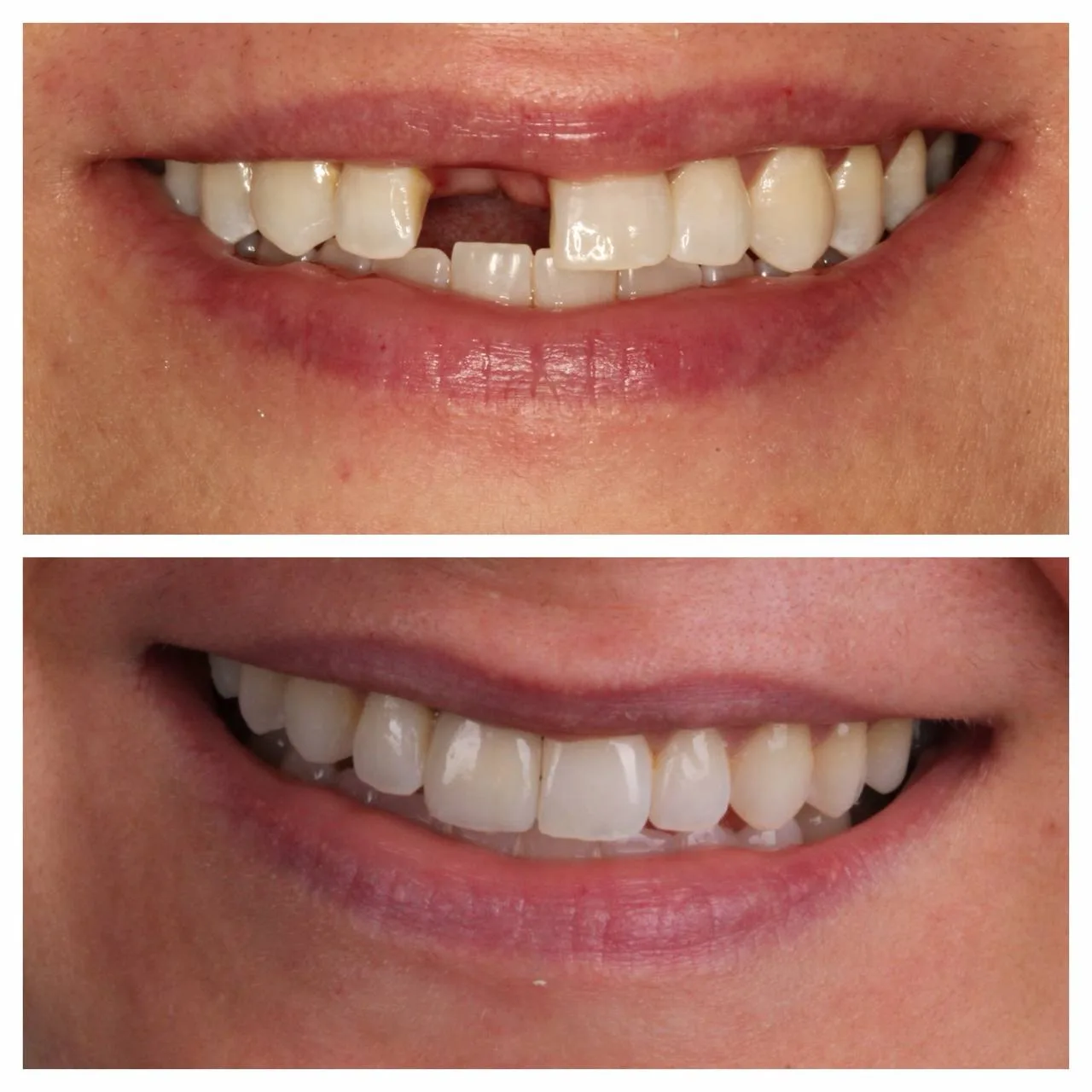
The aesthetic smile.
A tooth lost is a small structural event the rest of the mouth notices. The neighbors tilt toward the gap. The opposing tooth starts to drift down. The bite shifts to the other side. The bone underneath, without a root pushing into it, begins to shrink.
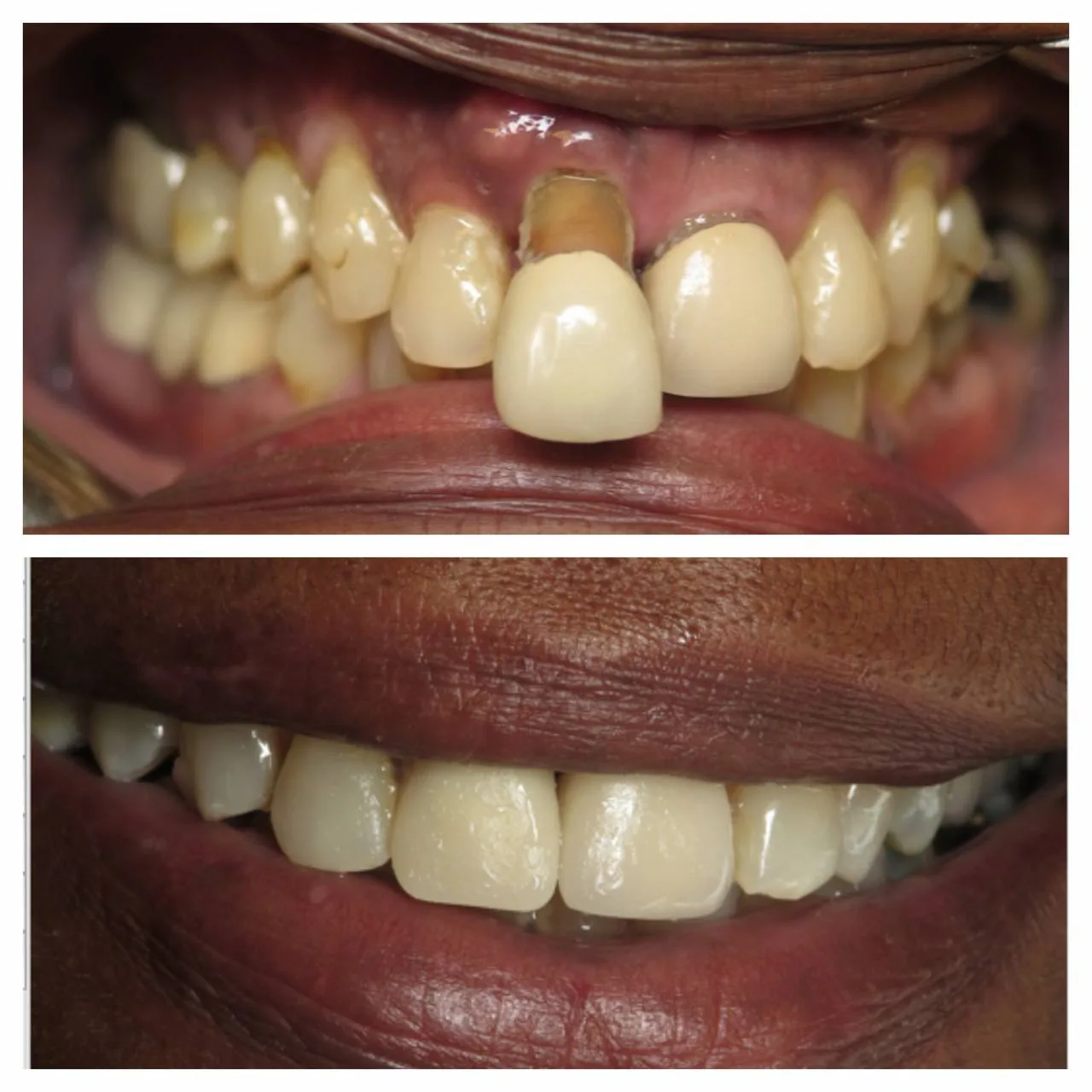
An implant replaces the root. A titanium post integrated into the bone, topped with a crown that looks and functions like the tooth that was there. The mouth stops compensating. The bone stays.
My training in implants and advanced prosthetics is from North Shore University Hospital — residency, then a fellowship. The fellowship was the work I wanted to get right. The clinical practice and the published work built out from there.
Planning the case
Implants want a healthy mouth. Active decay or gum disease gets addressed first. Significant bone loss may need a graft before placement. Systemic conditions — blood pressure, diabetes — need to be well-managed.
I read 3-D cone-beam imaging in the office, same day. The scan tells you where the bone is, where the nerves are, and where the implant has to sit for the crown to land in the right place. The surgical guide is built from the scan. The placement is precise because the planning is precise.
Single tooth
One titanium post, one crown, no involvement of the neighboring teeth. In the right case, the whole sequence finishes in one visit.
Implant-supported bridges
Three or more teeth missing in a row. The bridge anchors to implants at each end rather than to natural teeth on either side. The remaining teeth stay untouched. The structure stays put.
Implant-supported dentures
A denture that slips, doesn’t fit, or comes out during a meal isn’t a prosthetic — it’s an apology. Implants stabilize an existing denture or carry a smaller, locked-in one. People eat what they want again.
Mini implants
Narrow implants for limited bone or for patients who want to avoid the recovery of a traditional placement. Often placed with no incision and no stitches, with the restoration on the same day.
Common questions
How much do implants cost?
It depends on how many teeth, what restoration sits on top, and whether bone grafting or a sinus lift is part of the plan. The consultation gives you real numbers, not a range.
Are implants covered by insurance?
Coverage is widening. Some plans cover the crown but not the post. Medical insurance occasionally covers implants when tooth loss is from an accident.
Are they worth it?
Implants are the only option that addresses tooth loss above and below the gum. The bone is preserved, the bite is stable, and the result looks and functions like a natural tooth.
Is it painful?
The area is fully numb during the procedure. Pressure, yes; pain, no. Tenderness and some swelling for a few days afterward, manageable with over-the-counter medication.
Can it be done in one day?
In the right case, yes. The scan and the surgical guide make same-day placement reliable when the anatomy allows. The consultation is the place that gets answered honestly.
Will I be put to sleep?
No. Awake but numb. Nitrous oxide is available for anxiety.