Invisalign in Midtown Manhattan
Clear aligners. Most adult cases finish in nine to eighteen months.
Invisalign in Midtown Manhattan, planned and managed by Dr. Adam Koppelman, DMD. Adults and teens. The office is at 7 West 45th Street, between Fifth and Sixth Avenues — three blocks from Bryant Park, a short walk from Grand Central and Times Square.
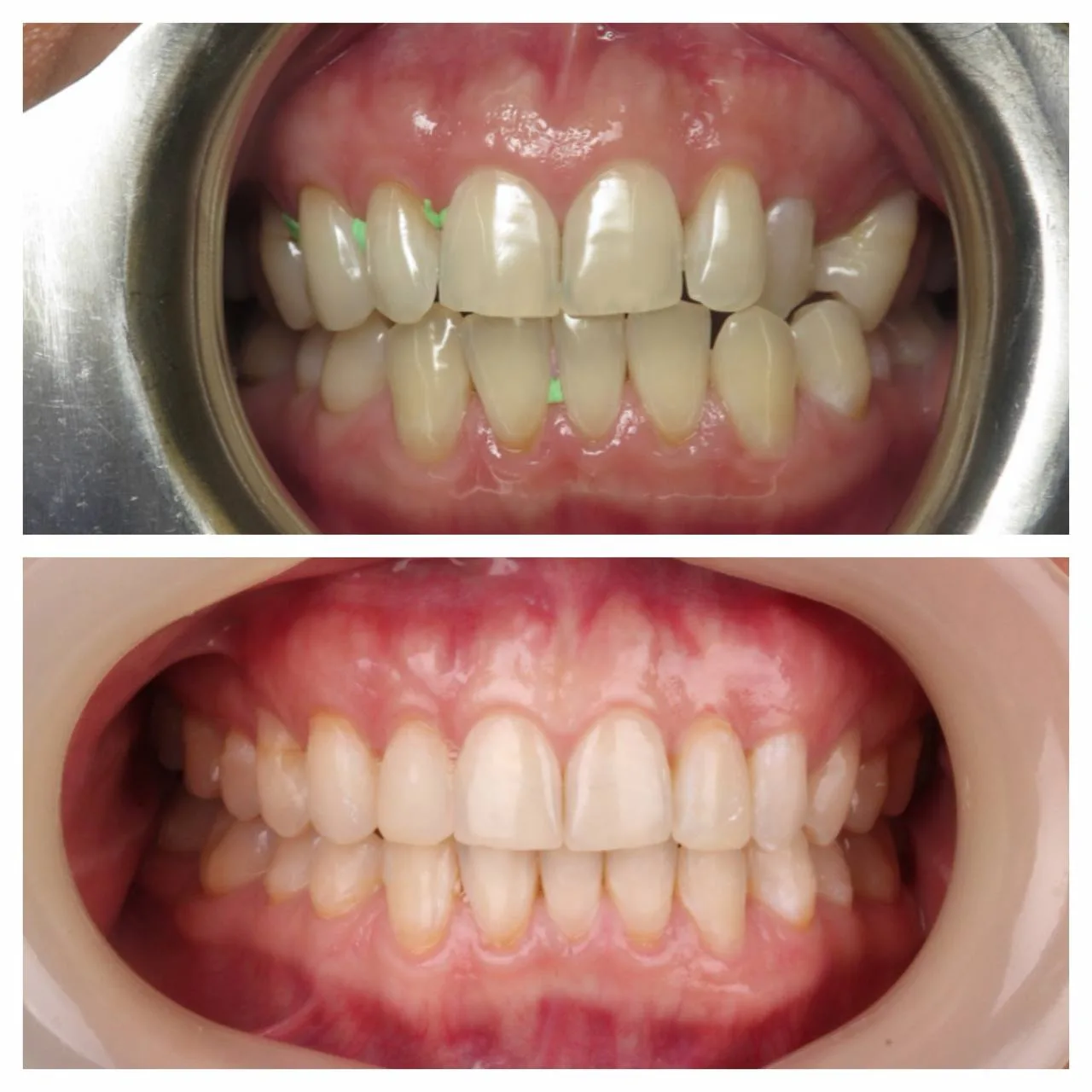
Teeth move when they’re asked to. Aligners are the quiet way of asking. A series of clear plastic shells, each one a small step toward the planned position. Most people around you won’t notice you’re wearing them.
The honest answer first: when crowding is real, this is the right tool. Porcelain on top of crooked teeth is camouflage. Invisalign moves the tooth to where it belongs, and then — if you still want refinement — we talk about what else fits.
Common questions
Is it as effective as metal braces?
For most cases, yes. A small number of complex bites still want fixed appliances. The trade-off with aligners is compliance — they only work the hours they’re in your mouth.
How long does treatment take?
Nine to eighteen months for most adults. Each tray is worn for one to two weeks. Twenty to thirty trays is typical.
Who is it for?
Adults and teenagers. Anyone who can keep the aligners in for twenty-two hours a day. Not for younger children, and not for anyone who knows they won’t wear them.
Cost and insurance
Usually a bit more than traditional braces. Dental insurance may contribute, and FSA and HSA funds apply. Specific numbers happen at the consultation.
How often will I come in?
About every six weeks. You change trays at home; the visits are to confirm the teeth are tracking the plan.
After treatment
Retainers, full-time at first, then nights only. Teeth want to drift back to where they were. The retainer is the quiet correction that holds the result.
Wondering whether veneers are a faster route? See veneers or Invisalign?
Often paired with
Whitening is the natural companion — the aligners themselves work as whitening trays. Veneers after Invisalign when shape or shade still needs work; straightening first lets the porcelain afterward be more conservative. Smile makeovers when the case is a whole-smile design across multiple modalities. And general dentistry — we want the teeth in good shape before we start moving them.
Related reading: FAQ · veneers or Invisalign?